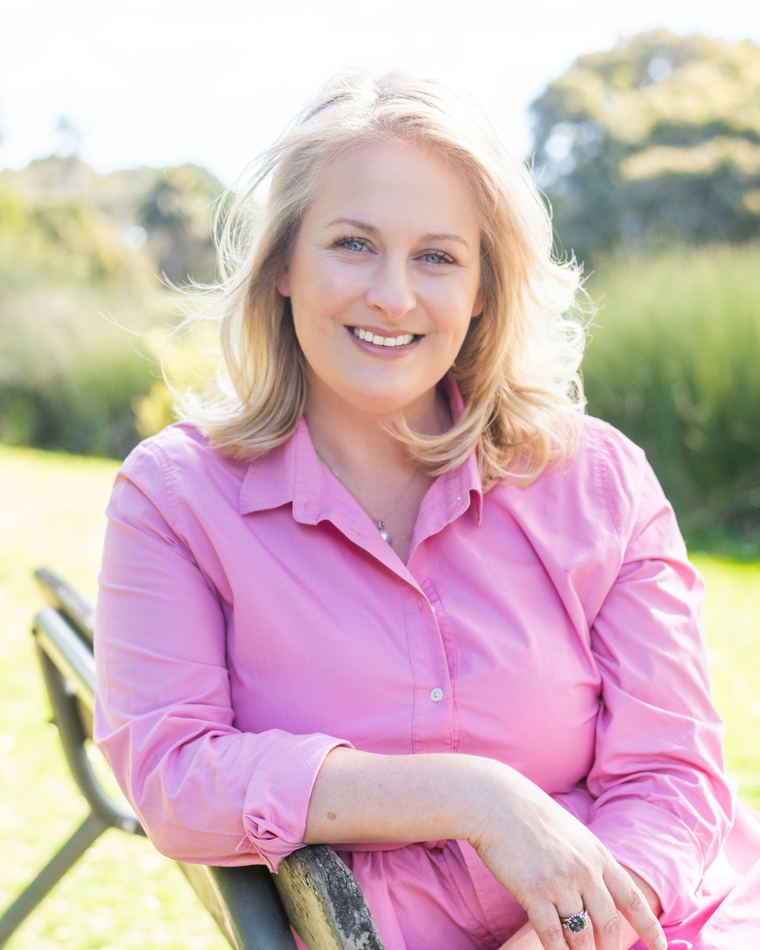
Michelle Davey, Senior Clinical Psychologist
Michelle Davey is a senior clinical psychologist working in psycho-oncology in Australia. She created The Cancer Rollercoaster to make the psychological side of life after cancer treatment properly explained and properly available.
The part you came here to check
Stated plainly, because if you are on this page you are probably verifying something before you decide, and that should take you thirty seconds rather than five minutes of scrolling.
- Registration
- Registered psychologist with the Psychology Board of Australia since 2014, with an Area of Practice Endorsement in Clinical Psychology.
AHPRA registration number PSY0001917749 - Qualifications
-
Postgraduate Diploma in Clinical Psychology, University of Canterbury, 2013
Master of Science, University of Canterbury, 2012
Bachelor of Science, University of Otago, 2001 - Psycho-oncology
- More than a decade across Australia and New Zealand, at Melanoma Institute Australia, Royal Prince Alfred Hospital, Macarthur Cancer Therapy Centre, Gynaecological Oncology at Liverpool Hospital, and St Georges Cancer Care Centre in Christchurch
- Hospital practice
- Psychiatric Consultation Liaison Service, Christchurch Public Hospital, New Zealand
- Also
- Principal Clinical Psychologist at Michelle R Davey and Associates, her private practice, separate from The Cancer Rollercoaster
Registration can be verified independently on the AHPRA public register at ahpra.gov.au, and you are welcome to.
The same thing kept happening
People would finish treatment, be congratulated thoroughly and repeatedly, and then arrive some months later describing something they had no words for. Not depression exactly. Not anxiety exactly. Something more like having been handed back a life that looked identical and read completely differently.
What struck me was how consistent it was. The relief that never quite turned up. The scan that comes back clear and buys a few days of calm before the watching starts again. The sense of watching yourself participate in your own family from a half step outside it. These are not unusual experiences and they are not signs that someone is failing at survivorship. They have patterns, the patterns are well understood clinically, and almost none of that understanding was reaching the people living inside it.
Meanwhile the practical reality is that psycho-oncology is thin on the ground, concentrated in a handful of major centres, and largely reserved for people who are unwell enough to be referred. Which leaves a very large group of people who are managing, and are not fine, and have been offered nothing at all.
So The Cancer Rollercoaster is an attempt to take what is already known and make it findable by the people it is about, at a price and a pace that does not require a referral or a crisis or a spare Tuesday afternoon within driving distance of a tertiary hospital.
I have not had cancer
What I have is a career built entirely around this. Years of clinical training, kept current, and a working life dedicated to psycho-oncology and to what happens to people after treatment ends.
So I can tell you what tends to happen, what tends to help, and what a great many other people have described in almost exactly the words you just used. What I cannot tell you is how it feels from the inside, and you should be wary of anyone in my position who claims otherwise.
The advantage is steadiness. I am not managing my own fear while helping with yours.
What I do here, and what I do not
Setting this out prevents a specific kind of disappointment, which seems worth more than the space it takes.
What this is
- Structured psycho-education about the psychology of life after cancer
- Written, recorded and presented by me, not licensed in or outsourced
- Questions answered inside the programs and the community, in an educational capacity
- A monthly live call with Golden Ticket members, open agenda
- General education, which means it applies broadly and cannot account for your particular circumstances
What it is not
- Therapy. I do not take individual clients through this site
- Crisis support. Nothing here is monitored around the clock
- Individual assessment, diagnosis or treatment planning
- A replacement for your treating team or for psychological care where that is what is needed
- A support group, and not a place where the loudest distress sets the temperature
If any of that sounded like the thing you have been trying to describe
Join The Cancer RollercoasterNot ready for any of that
Completely fine. The Weekly Check-in is a free email from Michelle, once a week, on the psychology of life after cancer. Reading for a while before doing anything else is a perfectly sensible way to go about this.
Free, weekly, and you can unsubscribe in one click.